Protect Your Thyroid by Avoiding These 2 Iodine Rich Foods
You may be privy to public talk that too much intake of iodine is toxic and causes thyroid problems. Although the average amount of iodine ingested varies from one person to the other, the recommended quantity is 150 mcg a day. Considering the amount recommended, getting sufficient iodine from a single meal is quite easy.
For example, fish served with potatoes provide more than enough iodine without the inclusion of other iodine sources such as iodized salt. Considering the potentially adverse effects of too much iodine, avoiding foods that contain it in high amounts is therefore important. Play it safe by avoiding iodine rich food such as the two listed below.
1. Seaweed, kelp, and any other sea vegetable excessively rich in iodine
The extremely high iodine content of these types of food is counter-productive for your thyroid. For instance, many types of seaweed contain about 4,500 mcg of iodine per ¼ oz., 30 times more than the daily recommended intake.
Assuming the Japanese have no thyroid issues despite consuming large amounts of iodine rich foods such as seaweed is unwise. Studies show a significant increase in the prevalence of thyroiditis and hypothyroidism in the regions of Japan with higher levels of iodine consumption.
The study revealed that apart from contributing to chronic thyroiditis, excessive ingestion of iodine also impacts the prevalence of hypothyroidism. Unfortunately, the higher the amounts of iodine consumed, the worse it gets.
2. Iodized Salt
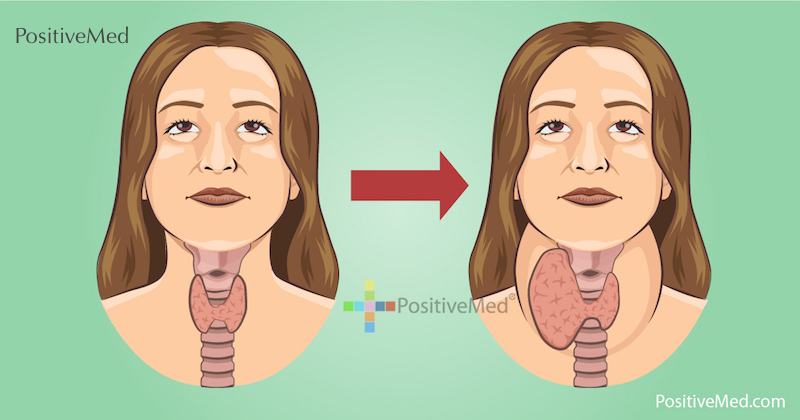
During the mid to late 1800’s, people from various nationalities used iodized salt to minimize the prevalence of enlarged thyroid glands (goiter). However, the deficiency of iodine was a much bigger issue back then. Today, the significantly higher content of iodine in common foods means that iodine deficiency remains uncommon. As little as ¼ tsp. of iodized salt can provide the recommended daily amount of iodine. As such, continual use of iodized salt might have a significant impact on your daily iodine intake. Studies show that the introduction of iodized salt to iodine deficient populations usually has adverse effects.
Although silent iodine prophylaxis eliminated the deficiency of iodine in Greece, it was accompanied by an increased prevalence of autoimmune thyroiditis. Another study suggests that thyroiditis is linked with papillary carcinoma more commonly than any other thyroid tumor. Since the observations indicated an association between high iodine intake and increased papillary carcinoma, iodized salt increases the risk of thyroiditis.
RELATED ARTICLE: Signs of Thyroid Dysfunction Women Often Confuse With Simple Tiredness
It is a well-known fact that people suffering from hypothyroid rapidly lose sodium through urine. The result is an increased need for salt once they become hypothyroid. Unfortunately, increasing the use of iodized salt compounds this problem further, increasing the risk of iodine toxicity. Getting your iodine from alternative dietary sources and avoiding iodized salt altogether is, therefore, advisable.
Do not fall for unproven or un-scientific tests
Many practitioners supporting high iodine doses for hypothyroidism recommend scientifically invalid tests to determine an individual’s potential for iodine deficiency. Although there is always a chance that you are iodine deficient, proper testing is necessary. Evaluate the possibilities of iodine deficiency or toxicity through a urine collection test to determine the amount of iodine excreted, or measure your iodine intake.
READ ALSO: See How You Can Treat Hypothyroidism and Hashimoto’s Disease Naturally
Focus on natural foods that contain healthy amounts of iodine
A naturally healthy dietary plan containing suitable quantities of iodine makes for one of the easiest ways to avoid iodine toxicity. Avoid iodized salt, iodine supplements, and other foods containing abnormally high amounts of iodine. This is an important and necessary step to ensuring the proper regulation of thyroid functions while avoiding iodine toxicity.
Conclusion
Taking iodine supplements when you’re not deficient and over-consuming foods rich in iodine often leads to severe health issues. As such, ensuring you ingest the recommended amount of iodine is important. Today, you can easily access relevant information about the different types of food available and the amounts of iodine each contains. Do not base your health on myths and blind belief, especially since they are everywhere.