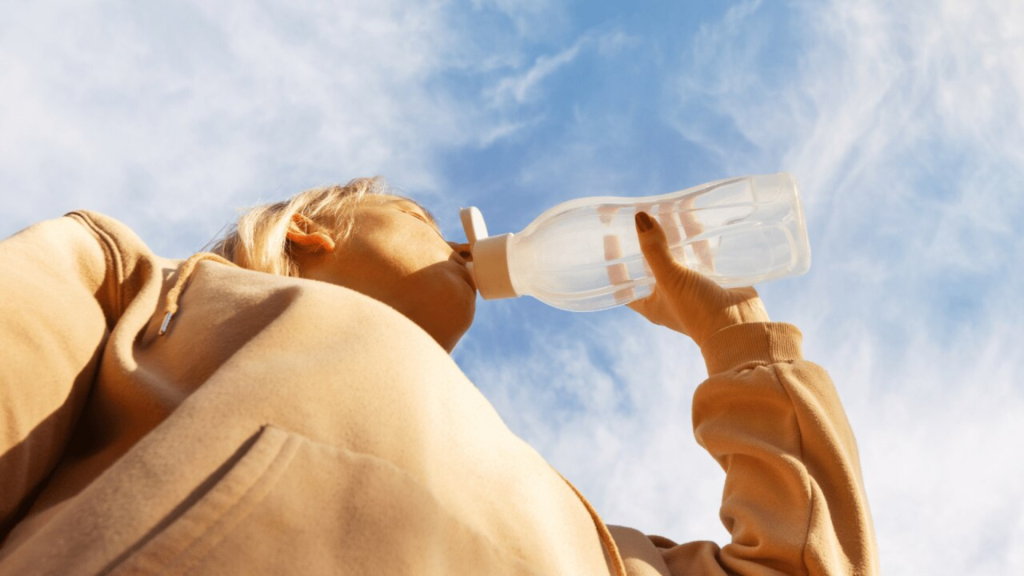
The importance of water in maintaining good health is undeniable, yet the question of how much one should drink daily remains a subject of debate. Understanding the nuances of individual needs, health conditions, and environmental factors is crucial in determining the optimal daily fluid intake. This guide aims to shed light on the diverse aspects of hydration, exploring the health benefits of water and offering practical insights into daily requirements.
The Elixir of Life: Health Benefits of Water
- Body’s Vital Fluid:
Water constitutes a significant portion of the human body, ranging from 50% to 70% of body weight. Beyond mere hydration, water plays a pivotal role in every cell, tissue, and organ, facilitating waste elimination, temperature regulation, joint lubrication, and protection of sensitive tissues.
- Debunking Dehydration:
Insufficient water intake can lead to dehydration, a condition with implications beyond mere thirst. Dehydration, even in mild forms, can sap energy levels and induce fatigue, underscoring the critical role of water in maintaining vitality.
Quantifying Your Needs: How Much Water is Enough?
- Fluid Intake Recommendations:
The U.S. National Academies of Sciences, Engineering, and Medicine provide guidelines for daily fluid intake:
- About 15.5 cups (3.7 liters) for men
- About 11.5 cups (2.7 liters) for women
- These recommendations encompass fluids from beverages and food, with approximately 20% of daily fluid intake sourced from food.
- Beyond the 8-Glass Myth:
While the widely known advice of drinking eight glasses a day serves as a reasonable benchmark, individual needs vary. Factors such as exercise, environment, overall health, and life stages (pregnancy, breastfeeding) influence the ideal fluid intake. Listening to your body and adjusting your water consumption accordingly is key.
Diverse Avenues of Hydration: More Than Just Water
- Hydration Beyond Water:
Meeting daily fluid needs extends beyond water alone. Fruits, vegetables, milk, juice, herbal teas, and even caffeinated drinks contribute significantly to hydration. However, moderation is crucial, especially with sugary beverages that may introduce excess calories.
Monitoring Hydration: Are You Drinking Enough?
- Indicators of Adequate Hydration:
Assessing your hydration status involves paying attention to subtle cues. Adequate fluid intake is likely if you rarely feel thirsty, and your urine maintains a colorless or light yellow hue. Consulting with a healthcare professional can provide personalized insights into your hydration needs.
- Hyponatremia: The Rare Consequence of Overhydration:
While drinking too much water is uncommon for most healthy adults, athletes may be at risk of hyponatremia, a condition where excessive water consumption dilutes sodium levels in the blood. This underscores the importance of balancing hydration, especially during prolonged or intense physical activity.
In the intricate dance of daily hydration, there is no one-size-fits-all solution. Tuning into your body’s signals, embracing a variety of hydrating sources, and maintaining a mindful approach to consumption form the pillars of a well-hydrated lifestyle. As water takes center stage in this symphony of health, remember that your unique needs and circumstances guide the melody of your daily hydration journey.