Smoking has far-reaching consequences on your respiratory health, potentially leading to breathing difficulties, chronic diseases, and even cancer. The good news is that you have the power to heal your smoking-damaged lungs through lifestyle changes and support. Let’s delve into how you can embark on this transformative journey.
Understanding the Toll of Smoking on Lungs
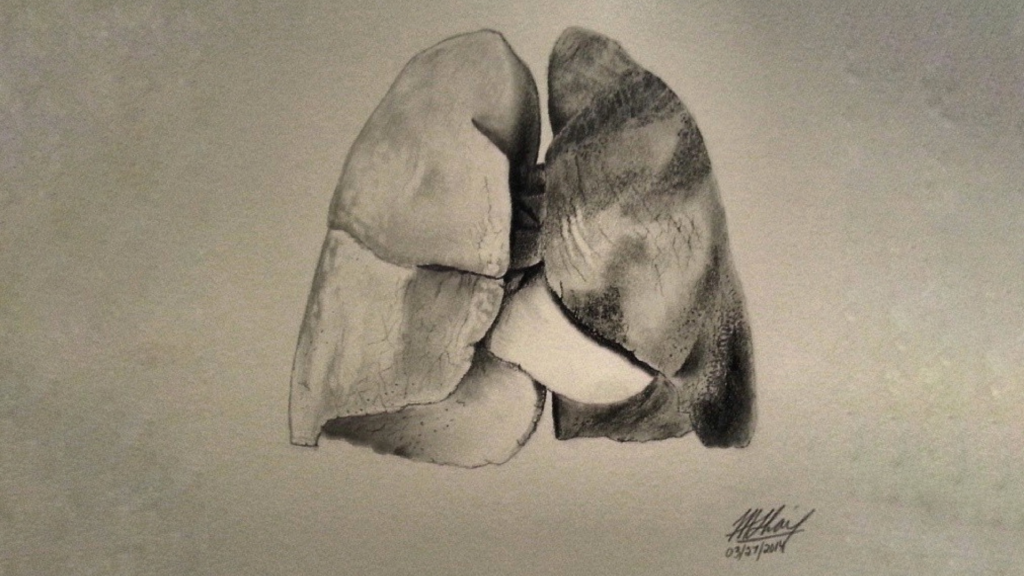
Cigarettes and tobacco products contain a myriad of harmful chemicals that impede lung function, increase disease risks, and damage overall health. From decreased lung capacity to heightened cancer and chronic disease risks, the impact is extensive.
Deciphering the Damage: Chemicals and Consequences
The toxic concoction found in tobacco smoke, including benzene, formaldehyde, and nicotine, wreaks havoc on your respiratory system. The depletion of oxygen caused by carbon monoxide further exacerbates the damage. The result is impaired lung function, an elevated risk of diseases like chronic obstructive pulmonary disease (COPD) and lung cancer, and a range of adverse health effects.
A Roadmap to Healing: Steps to Restore Lung Health
1. Quit Smoking: The cornerstone of healing smoking-damaged lungs is to quit smoking. While it may be challenging, various tools and programs are available to aid your journey. Remind yourself of the benefits—improved lung capacity, reduced inflammation, and lowered disease risk—when facing cravings.
2. Lifestyle Choices for Lung Health:
– Nutrition: Consume a lung-healthy diet rich in antioxidants from fruits and vegetables. These nutrients aid in cell regeneration and bolster your immune system.
– Exercise: Engage in regular cardiovascular workouts to enhance lung capacity and oxygen circulation.
– Hydration: Drinking ample water helps eliminate toxins and mucus from your lungs.
3. Deep Breathing Techniques: Practice deep breathing exercises like diaphragmatic or belly breathing. These techniques optimize oxygen delivery and promote relaxation, aiding in lung healing.
4. Professional Support and Management:
– Medical Consultation: If you suspect lung damage, consult a doctor promptly. They will tailor a treatment plan and monitor your progress as you heal.
– Treatment Plans: Follow your doctor’s guidance for lung disease management, ensuring you receive the necessary care.
5. Smoking Cessation Resources:
– Support Groups: Join support groups or counseling sessions to share experiences and find encouragement from those who understand your journey.
– Cessation Programs: Utilize smoking cessation programs, including nicotine replacement products and therapy, to overcome addiction.
6. Educational Resources: Educate yourself about lung health through informative websites and resources, maintaining motivation and knowledge on your path to recovery.
Breathing New Life into Your Lungs
Quitting smoking is the first and most crucial step toward healing smoking-damaged lungs. Embracing a healthy lifestyle, practicing deep breathing techniques, and seeking professional support will empower your journey. By restoring your respiratory health, you pave the way for a better quality of life and overall well-being. Remember, with determination and the right resources, you can breathe easier and enjoy a healthier future.