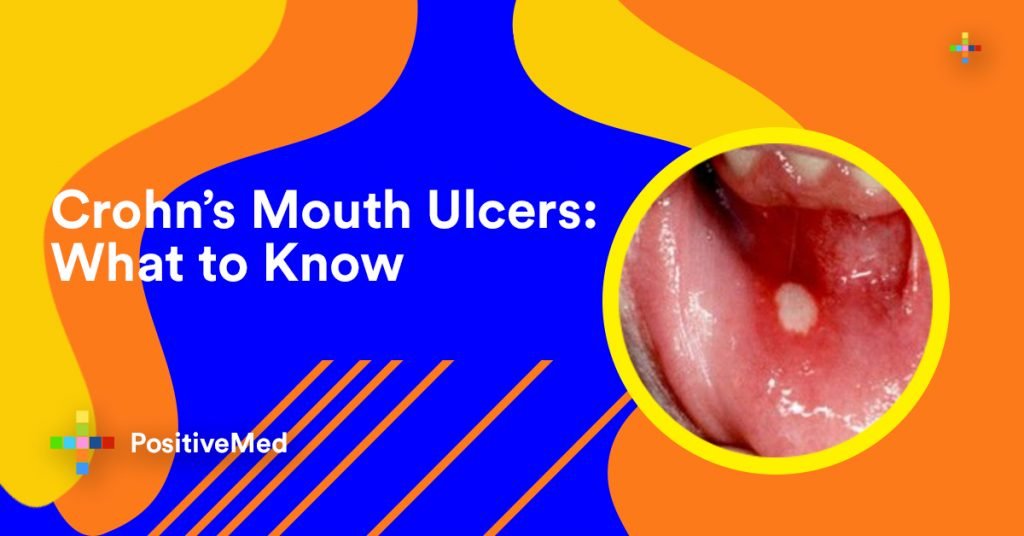
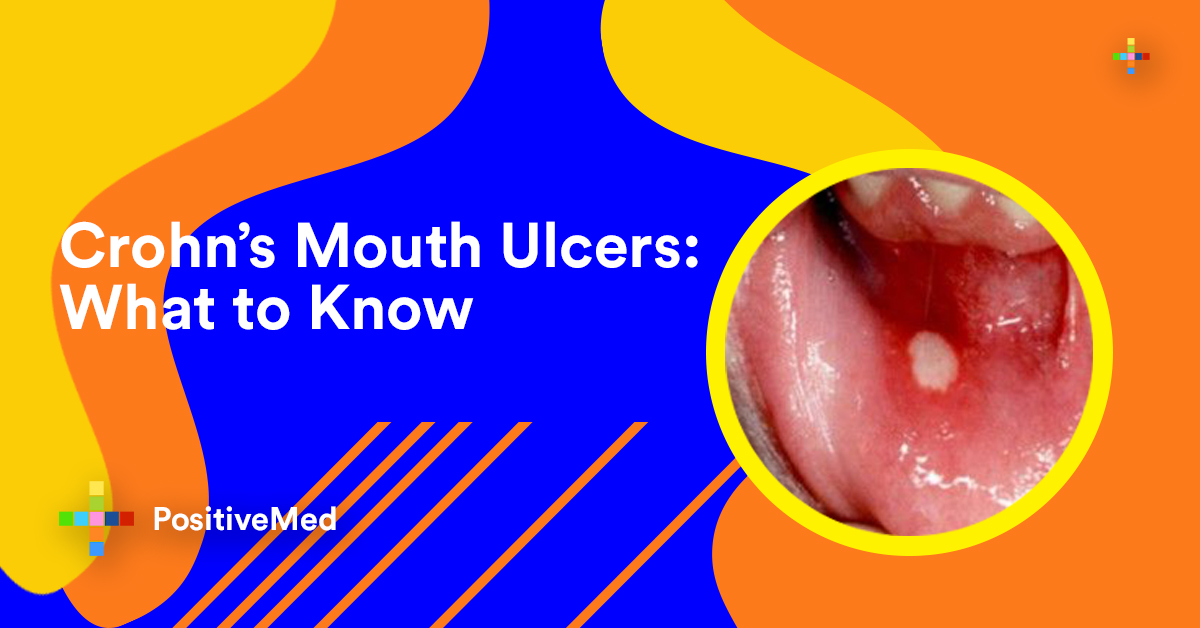
Crohn’s disease refers to an inflammatory bowel condition that mainly triggers symptoms along the digestive tract. However, it can cause symptoms in other areas, including ulcers in the mouth. Crohn’s mouth ulcers and other symptoms outside the digestive tract are referred to as extra-intestinal manifestations of Crohn’s disease.
Some patients develop ulcers in the mouth a couple of years before other visible symptoms of Crohn’s disease emerge. It is estimated that 20% to 50% of patients with Crohn’s disease develop ulcers in the mouth at some point.
This article covers the symptoms, causes, and treatments for Crohn’s mouth ulcers.
Symptoms of Crohn’s Mouth Ulcers
Mouth ulcers often become noticeable during flare-up. Mouth ulcers caused by Crohn’s disease are commonly known as canker sores. They normally form around the base of the gums. Canker sores usually differ from other mouth lesions, like herpes, which form on the outside of the mouth on the lips. Canker sores may appear like:
Oval or round in shape
Small in size
Can be grey or yellow in color
The border is red in color
Appear in groups
Can frequently be painful
Most patients with Crohn’s disease will notice their canker sores become worse during a
Causes of Crohn’s Mouth Ulcers
Several factors can lead to the formation of Crohn’s mouth ulcers, including:
Inflammation in the body due to Crohn’s disease
Deficiencies in minerals and vitamins
Side effects of Crohn’s disease medications
Crohn’s can thus directly or indirectly lead to the formation of ulcers in the mouth. Children and men with the illness are more likely to develop ulcers in the mouth. People with Crohn’s disease are at a higher risk of developing ulcers in the mouth than people with other inflammatory bowel illnesses, like colitis.
People with Crohn’s disease are also vulnerable to certain nutritional deficiencies, which can contribute to other problems in the mouth. For instance, zinc and vitamin B-12 deficiencies can both trigger glossitis. Deficiency in vitamin K can lead to bleeding gums.
Diagnosis of Crohn’s Mouth Ulcers
Mouth sores are the first symptoms of Crohn’s mouth ulcers. Evaluation can be performed with a tissue sample (biopsy) taken from the affected areas. It is examined for signs of inflammation and infection. Certain sores can appear in the mouth when inflammatory cells collect at one spot. These are commonly known as granuloma. Having granuloma is a clear indication that the mouth ulcers have been caused by Crohn’s disease.
Other Conditions that Cause Mouth Sores
Mouth sores are also linked to a rare condition known as Behcet’s disease. This is an autoimmune disease that results in an inflammation of the blood vessels in various parts of the body. Mouth sores can also occur due to:
Cancerous growths
Viral infection
Blood disorders
Other autoimmune diseases
Side effects of Crohn’s disease medications can sometimes lead to the formation of ulcers in the mouth. It is important to discuss the possible side effects with healthcare provider before being prescribed Crohn’s disease medications.
Crohn’s Disease Medications and Possible Side Effects
Budenisode: This is a steroid that can cause redness and swelling of the tongue.
Loperamide: This is a medication for treating diarrhea and can cause dryness in the mouth.
Ciclosporin: It can cause swelling in the gum.
Methotrexate: This is a folic acid antagonist that can lead to gingivitis and ulcers in the mouth.
Tacrolimus: It can lead to oral thrush and mouth ulcers.
If you experience any of the following symptoms, you should not discontinue the medications. Instead, speak with your physician about changing medications or finding a remedy for any side effects you may be experiencing.
In most cases, mouth sores are not always painful. Medications used to treat inflammation in the intestines can also alleviate sores in the mouth. However, there are certain medications that treat mouth sores directly. Some come as topical creams that can be applied directly on the sores. Others come as “swish and spit” solutions.
Edited by: Jessa (Jan. 28, 2019)