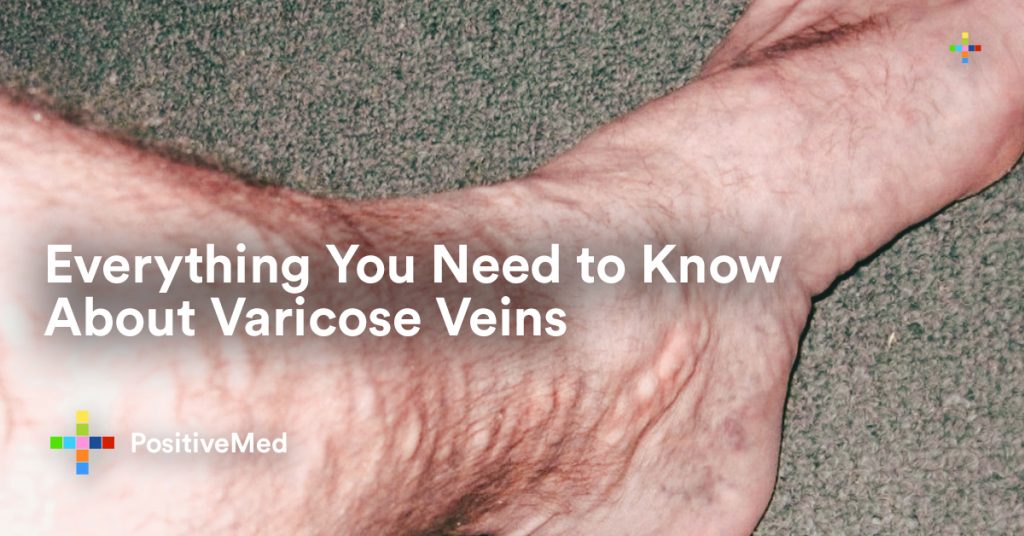
Varicose veins are a common venous disease that affects more than 20% of the US population. The condition usually occurs in the legs when the valves that control blood flow stop working and force the blood to flow backward.
Despite the disease being so common, a lot of people are still unaware of how serious the condition can get. Here’s everything you need to know about varicose veins:
What Is Varicose Veins?
Varicose veins are basically veins that become twisted and enlarged due to issues with the flow of blood. While the condition typically occurs in the leg, it can occur in other parts of the body as well.
Related Link: What are the Top 6 Home Remedies for Treating the Varicose Veins?
Our veins have leaflet valves that work to control blood flow and prevent it from in the opposite direction. The condition occurs when these valves stop working, and as a result, the blood gets accumulated in one place as it is unable to move ahead.
The condition is usually characterized by swollen veins that can also be very painful. In addition to this, the veins may also turn blue due to a
Reasons, Symptoms And Causes
Varicose veins can happen to anybody who’s an adult due to:
• Aging
• Hormonal issues
• Lifestyle issues
• Family history
• Obesity
• Pregnancy
You can read more causes of vein Disease here. It is important to know the causes so that you can take steps to control the situation.
The symptoms include swollen ankles, aching legs, itchy skin, bulging veins, twisting and enlarged veins.
Varicose Veins and The Risk Factors
If you think that varicose veins only look unsightly on your legs and feet then you’re wrong. The condition can cause several problems and even cause you to bring changes to your lifestyle Here are some of the side effects and risk factors associated with the condition:
Aching And Heavy Legs:
Firstly, varicose veins are painful. When blood gets trapped in a single position, it can pressurize that part of the vessel and cause severe pain. That’s not all, people suffering from varicose veins are also not able to exert much pressure on the legs, preventing them from performing activities such as running and jumping.
Itching And Burning:
An itchy feeling is common among people who suffer from varicose veins. While they may not always hurt, but even a little pressure can cause excruciating pain and a burning sensation in the legs.
How To Treat It?
The doctor will first conduct an ultrasound and determine how serious your case is. If it hasn’t spread much then it can be treated with medications. However, if your case has worsened then surgery may be the only option.
Surgery Options:
Laser surgical treatment, radiofrequency ablation and ligation.
After the surgery, the patient needs to rest for at least a week before getting back to living a regular life.
The Verdict
If you are facing the symptoms or know someone who then makes sure to visit a doctor and get treated before it gets any worse.