This Scientific Theory Explains – Some People Are Born Cheaters
There are a lot of theories as to why people cheat, but science may have discovered the truth about what leads some to stray from otherwise happy partnerships. The medical studies eliminated known social causes that increase the risk of someone committing adultery such as poor communication, uneven social standings and drug and alcohol abuse. Instead, it considered why when there are two couples who seem equally matched and equally happy, one will have a member that cheats and the other couple will remain loyal.
RELATED ARTICLE: 9 Signs Your Partner Is NOT a Cheater – Congrats!
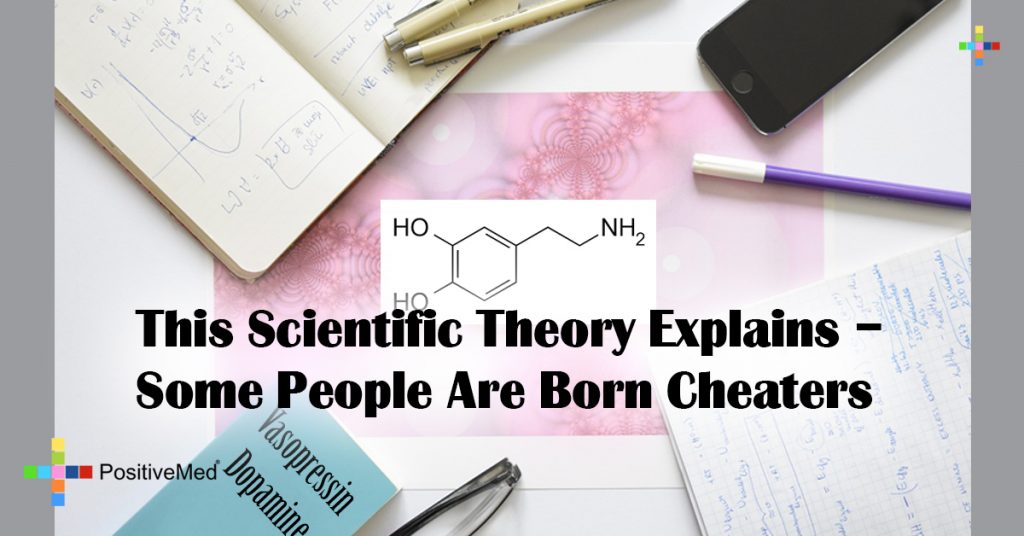
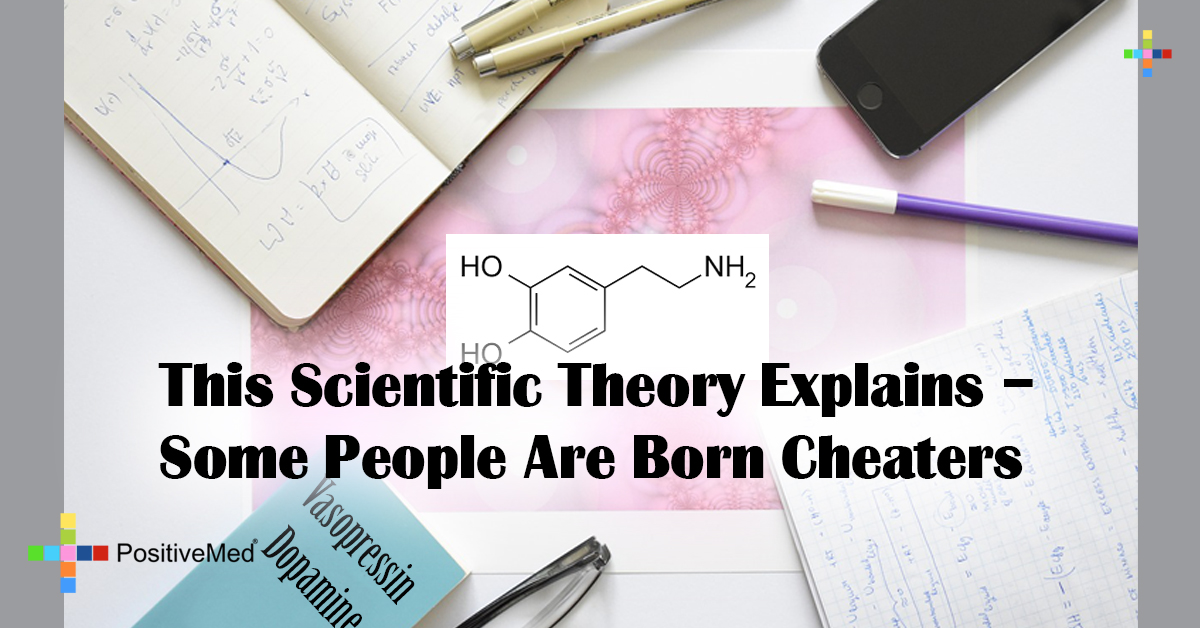
As it turns out it may be nothing more than pure biology. Cheaters were statistically more likely to have incorrect levels of one of two hormones. These hormones are vasopressin and dopamine and in instances where a spouse was found to have cheated, their levels of these hormones were askew. It is not a finding that offers a definitive solution yet. However,the research into how these hormones may be at least partially to blame may someday provide people with a genuine answer about how to stay together forever.