How to Manage Poor Circulatory Problems Naturally
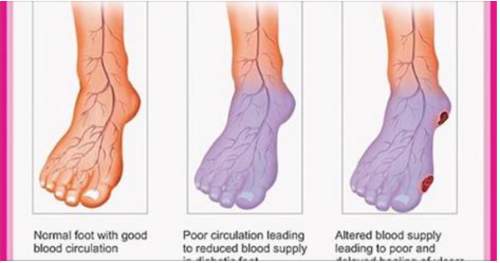
Circulatory problems occur when the blood flow is limited to parts of the body such as hands, feet, brain, heart, and lungs. Plaque builds up in our arteries and causes the restriction of blood flow and hardening of the arterial walls. Some of the diseases that can be caused by this include hypertension, stroke, varicose veins, Raynaud’s phenomenon, blood clots, kidney disease, heart disease, and peripheral artery disease.

Poor blood circulation can impact the entire body, including:
- Effects upon the brain – poor blood circulation can impact the brain causing fatigue, dizziness, memory loss, and frequent and unexplained headaches.
- Effects upon the heart – poor blood circulation can have an impact on the heart, causing inability to perform simple aerobic activities like climbing stairs without breathlessness; high blood pressure and cholesterol, and chest pain can be other symptoms. Heart attack and stroke are major risks of poor circulation that remains untreated.
- Effects upon the liver – symptoms of poor blood circulation in the liver can include lack of appetite or unexplained weight loss, and changes in skin tone.
- Effects upon the kidneys – poor circulation to the kidneys are typically the result when there is swelling of the hands, feet and ankles. Other symptoms can include fatigue, altered heart rate and rise in blood pressure.
- Effects upon the limbs – with poor circulation, cramps in the limbs, numbness and varicose veins can appear as symptoms.
Symptoms include :
- Numbness, tingling, or loss of sensation in extremities
- Cold hands, feet, or ears
- Fatigue
- Hair loss
- Dizziness
- Dry and/or Itchy Skin
- Edema
- Varicose veins
- Leg or foot ulcerations
- Headaches
- Muscle cramps
- Dandruff
- Shortness of Breath
- Sluggish Memory
Medical problems that can cause contribute to poor circulation include smoking, anxiety, diabetes, high cholesterol, weight gain, high blood pressure, heart problems, anemia, asthma, food allergies, bronchitis, pneumonia, emphysema, eating disorders, and many others. A doctor will need to determine the cause before administering treatment.
Mild cases can be improved with aerobic exercise and diet. A person should exercise regularly and eat a low-fat high-fiber diet. If the person has mobility problems due to a stroke or something similar regular assisted range of motion exercises will help.

Foods that improve circulation are fruits, especially those rich in Vitamin C and lycopene, think citrus, watermelon, and tomatoes, nuts, which are rich in Vitamin B3, garlic, and avoiding fatty and sugary foods.
Diet and exercise should be used at a pace you are comfortable with, in severe cases they should be used in conjunction with your doctor’s plan and advice.
[Last Updated on June 20th 2014]