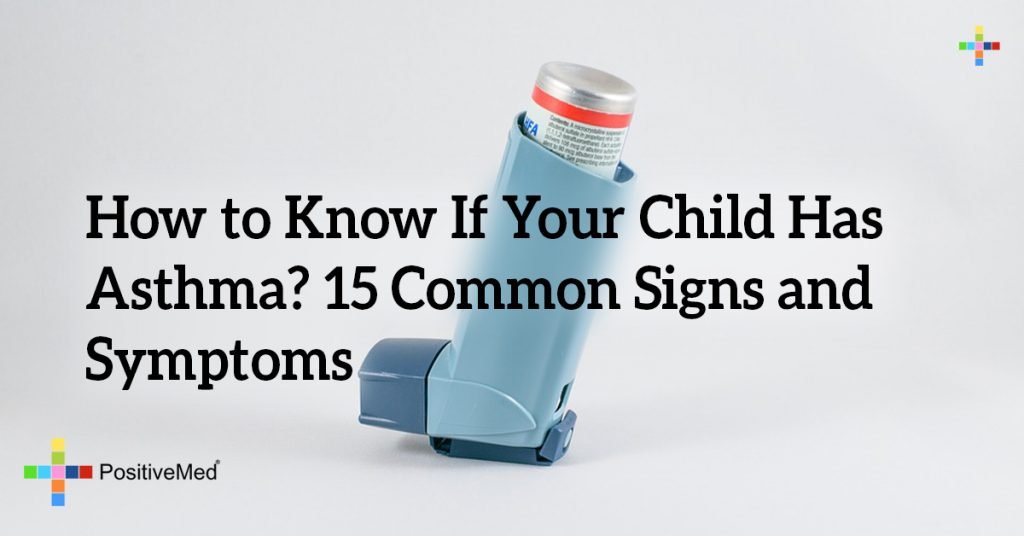
How to Know If Your Child Has Asthma? 15 Common Signs and Symptoms
Asthma in children usually can’t be detected in a day or two. This is the most common chronic disease in children and the prevalence of this disease is increasing daily. Per recent CDC data, asthma affects approximately 7 million children in the US. In children the most common symptoms are coughing and wheezing.
A dry non-productive cough might be the only symptom, this is known as cough variant asthma. Wheezing is a whistling sound heard while breathing, this sound is produced by turbulent airflow through narrowed airways.
In an asthma exacerbation heart rate and respiratory rate increase and it may be challenging for them to breathe. Younger children may seem less interested in eating and drinking, becoming lethargic.

The other common signs of asthma in children include:
• Chest tightening
• Wheezing
• Struggling to breathe
• Poor exercise endurance
• Loss of breath
• Weakness or fatigue
• Fast breathing
• Restless sleep
• Frequent throat clearing
You can help the doctor make the right diagnosis by observing symptoms and behavior in your child.

Here are some conditions which may be signs of asthma in your child:
• Allergic asthma
With this condition the first few years are often symptom-free but then they start breathing faster, often have a cough at night that wakes them, and sometimes you hear an audible wheeze. When playing they may stop to catch their breath more often. They find breathing harder than usual at certain times. This can progress rapidly in children.
• Infant asthma
This is frequent colds in infants, gradually the virus affects them more and they struggle to breathe, there is an audible wheeze often when they are not sick.
• Reactive airway disease
If your child often has a severe cold with wheezing for several weeks this is a dangerous sign. The cold virus makes its way to the chest and causes severe wheezing, consult your doctor about this right away.
• Exercise-induced bronchospasm (EIB)
This usually occurs in more athletic children, they feel a tightness and have pain in their chest while active and may feel like resting frequently to catch their breath. They may have coughing fits when active but no symptoms otherwise.
• Nighttime cough
This is a mild form of asthma often caused by allergies, children have regular tight, nagging coughs that wake them up.
• Seasonal wheezing
This includes any of the above conditions during a particular season. You may observe seasonal allergies or sensitivity to pollution.
It’s important to note timing of symptoms, they are usually worse at night and with exertion. Symptoms can get severe with viral upper respiratory infections which stay for weeks in children with asthma. Tobacco smoke is believed to jeopardize children with asthma and magnify symptoms, complicating asthma control. Children with asthma often have a history of repeated bronchitis or recurrent croup-like cough.