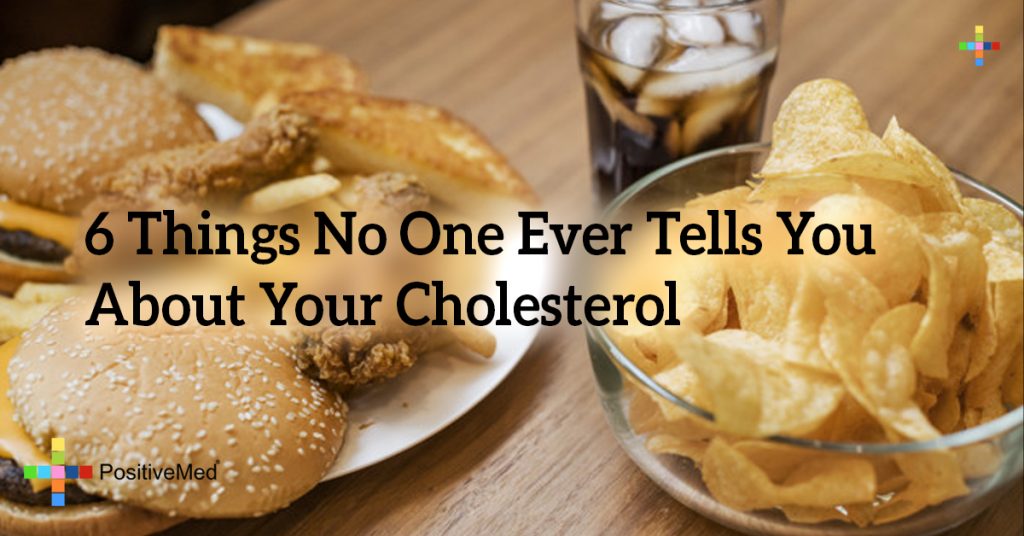
6 Things No One Ever Tells You About Your Cholesterol
Cholesterol has become the boogeyman of modern medicine. But what’s fact and what’s fiction? What do you really need to know about cholesterol in order to protect your health and ensure your longevity? Here are just six things you might be surprised to learn about cholesterol.

1. Cholesterol isn’t necessarily bad.
The media loves to warn about the dangers of high cholesterol, but it’s important to note the keyword here: high. Cholesterol is a completely natural substance that’s found in every cell of the body, and it helps create everything from your hormones to your membranes. As long as your cholesterol levels are within range, there’s nothing to fear from it.
2. Your cholesterol levels will increase as you age.
Something about the aging process increases cholesterol. The best guess from scientists is that it has something to do with a lack of estrogen, since women have less cholesterol than men when they’re younger but more once they hit menopause. The moral of the story: Don’t panic if this year’s test results are higher than last year’s.
3. You shouldn’t trust labels that read “cholesterol-free.”
While products may market themselves as good for your cholesterol, many will actually raise your body’s cholesterol levels. This is because dairy fats, trans fats and saturated fats all turn into cholesterol once ingested, so if a product lowers it cholesterol levels by upping the fats, it’s still bad for you in the long run. Be careful when buying into promises from grocery labels.
4. High cholesterol doesn’t always equal heart disease.
While it isn’t a good thing, high cholesterol isn’t a one-way ticket to a heart problem. Your genetics play a big role in whether or not you’ll develop it, and things like your age, gender, diet and overall fitness are also important factors. It’s recommended that you get tested at least once every five years to be safe.
5. You may or may not need to fast before getting your cholesterol checked.
Some experts say that it’s better to fast before a doctor’s appointment so your early lunch won’t skew the numbers. Others argue that cholesterol levels after fasting will give a false indication of your true, everyday health. Talk to your doctor to determine whether or not you should skip breakfast before your tests.
6. High cholesterol is often a symptom of other health problems.
If you’ve been informed that you have high cholesterol, the solution isn’t to start dieting so you can lower it. Your cholesterol has spiked for a reason, and it usually has something to do with inflammation within the body. Again, you’ll need to talk to a doctor to figure things out.