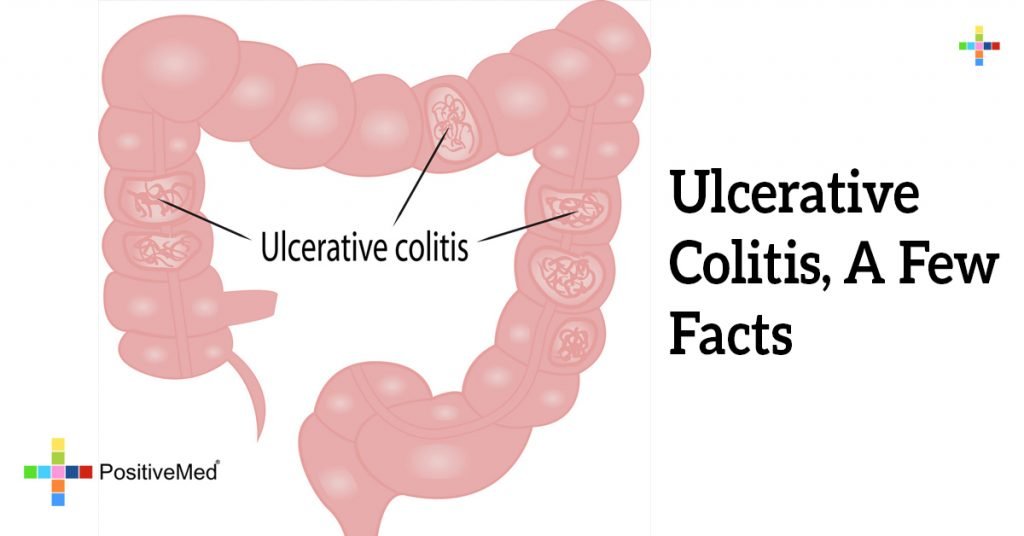
Ulcerative colitis is a form of Inflammatory Bowel Disease, or IBD, that affects the rectum and large intestine. This disease usually peaks age 15-30, with a recurrence from ages 50-70, although you can have it at any age. Risk factors include a family history of the disease and Jewish ancestry. Many people affected by this disease also have autoimmune problems, however, it is not known if the disease causes the autoimmune problems, or if the autoimmune disease causes the colitis.

Symptoms vary in severity and can be slow to develop or come on suddenly. Stress can make symptoms worse, as can certain foods. Some symptoms include: diarrhea, abdominal pain and/or cramping, “noisy” digestive sounds, blood and/or pus in stools, fever, rectal pain, weight loss, GI bleeding, joint pain and swelling, mouth sores, skin sores, nausea, and vomiting.
When you see your doctor there are certain tests that will be ordered to make a diagnosis, these include a colonoscopy, barium enema, complete blood count, and sedimentation rate. The goal of treatment is to minimize attacks, make attacks less severe, and to cut down on frequency and duration of frequent attacks so the colon can heal. Severe attacks may require hospitalization where you will be fed via IV and treated with corticosteroids to reduce inflammation.

To lessen symptoms your doctor will probably recommend avoiding high-fiber foods, like bran, beans, popcorn, nuts, and seeds, eating several small meals during the day, drinking lots of water, and avoiding greasy, fatty foods. There are several medications doctors use to help control symptoms, in severe cases surgery may be required.
Natural remedies include use of probiotics to increase good bacteria, Omega 3 fish oils to reduce inflammation, oral aloe vera gel, boswellia, both of which have anti-inflammatory properties, diet changes including extra Vitamin C and reduction of sweets, folic acid to help prevent colon cancer, bromelain to reduce inflammation, acupuncture, and mind-body therapies.

Just a gentle reminder, these articles are not intended to replace the advice of your health care professional, but rather to go hand-in-hand with them for best results. Please keep your doctor informed of any alternative medicines you may be trying.
Sources: http://www.ncbi.nlm.nih.gov/pubmedhealth/PMH0001296/
http://altmedicine.about.com/od/digestivedisorders/a/Colitis_Remedy_2.htm