Monthly Archives: January 2013

Stroke Warning Signs


If you read one post this week, I hope this is it. When it comes to a stroke time is crucial, just as with a heart attack time is muscle, with a stroke it is brain cells. Early medical attention is important, as is early rehab. Most people who suffer from a stroke have a vague feeling of being “not quite right,” almost no one thinks “Oh I’m having a stroke.” If you feel like this, go in. Call 9-1-1. Way better to be safe than … not…


Visited (1366) times!

Detoxification

This poster is just amazing! We have so many requests from people wanting to know what a detox is, why they should do it, and how to do it. This poster has it all and then some. In today’s society we need to give our bodies a rest from the harm we do on a daily basis, a good detox should make you feel more awake, alert, energetic, and lighter. Enjoy!

How to DETOX your body? Find the answer here. Visited (8592) times!

PositiveMed Yeast Fast: Guidelines

As I was doing research into wheat and wheat allergies to determine guidelines I learned a few things I did not know, so the guidelines will be stricter than what we have done before to make it effective. Many people are going gluten-free these days, I really don’t feel that’s necessary unless you are allergic or have celiac disease.

The thing is, the bad yeast, candida albacans, the one that causes us to feel bloated and miserable and robs our bodies of iron and other essential nutrients, thrives on sugar. Regular yeast, such as found in bread and beer, is a great source of B12 and folic acid. On the other hand, if a person has a compromised immune system, or chronic candida infection, breads and even wild yeasts may make it worse.

For this fast the only type allowed will be those that naturally occur in the making of yogurt and kefir, these are probiotic and beneficial to the digestive process. Other forms of yeast make the system more acidic, which can promote symptoms like fatigue, headaches, eczema, dandruff, cradle cap in babies, hormone imbalances, vaginal infections, jock itch, stomach upsets and foggy thinking.

Foods to Avoid:

  • Sugars
  • Wheat
  • Dairy (except yogurt and kefir)
  • Glutinous grains
  • All processed foods
  • Alcohol, yes wine too

If it looks too hard please do not panic and run, try it for 3 days instead of 7 if you wish, at least try and see how you feel. The nice thing about this is that you should feel better within 48 hours. We will be starting next Monday Feb. 4 and going until Sunday, if you have your Valentine’s dinner in that time go ahead and celebrate and then go back to the fast. It’s only for 7 days, you can do anything for 7 days!! I believe in you!

I would like everyone who does this to check in at least once a day, the 2 pm CST status will be about the yeast fast during the whole thing. Tomorrow I will come up with some sample menu ideas to use. We can do this, it will be a learning and growth experience that may possibly shrink our bellies some!!

Sources: http://bodyecology.com/articles/nutritional_yeast_what_you_need_to_know.php#.UQmEJvJ1OSo

http://www.justgoodenergy.com/2010/06/14/the-health-benefits-of-nutritional-yeast/ Visited (480) times!

16 Things You May Not Know About Sleep

People of different ages require different amounts, and in normal, healthy adults the amount can still vary. There are even average sleeping amounts for animals! I have learned so much with this poster, I hope you enjoy it too.

Visited (4502) times!

Wonderful Onions

This poster has a lot of information about onions, as well as quercetin, which is found in opions, and is what makes them good for you. They are helpful with allergies, heart disease, arthritis, and many other things. So add some onions to your dishes, enjoy!

Visited (1047) times!

Circulatory Problems, Lessened Naturally

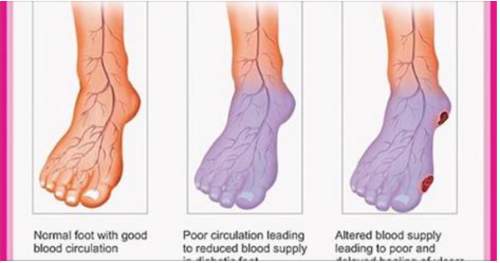
Circulation problems occur when the blood flow is limited to parts of the body such as hands, feet, brain, heart, and lungs. Plaque builds up in our arteries and causes the restriction of blood flow and hardening of the arterial walls. Some of the diseases that can be caused by this include hypertension, stroke, varicose veins, Raynaud’s phenomenon, blood clots, kidney disease, heart disease, and peripheral artery disease.

Poor blood circulation can impact the entire body, including:

  • Effects upon the brain – poor blood circulation can impact the brain causing fatigue, dizziness, memory loss, and frequent and unexplained headaches.
  • Effects upon the heart – poor blood circulation can have an impact on the heart, causing inability to perform simple aerobic activities like climbing stairs without breathlessness; high blood pressure and cholesterol, and chest pain can be other symptoms. Heart attack and stroke are major risks of poor circulation that remains untreated.
  • Effects upon the liver – symptoms of poor blood circulation in the liver can include lack of appetite or unexplained weight loss, and changes in skin tone.
  • Effects upon the kidneys – poor circulation to the kidneys are typically the result when there is swelling of the hands, feet and ankles. Other symptoms can include fatigue, altered heart rate and rise in blood pressure.
  • Effects upon the limbs – with poor circulation, cramps in the limbs, numbness and varicose veins can appear as symptoms.

Symptoms include :

  • Numbness, tingling, or loss of sensation in extremities
  • Cold hands, feet, or ears
  • Fatigue
  • Hair loss
  • Dizziness
  • Dry and/or Itchy Skin
  • Edema
  • Varicose veins
  • Leg or foot ulcerations
  • Headaches
  • Muscle cramps
  • Dandruff
  • Shortness of Breath
  • Sluggish Memory

Medical problems that can cause contribute to poor circulation include smoking, anxiety, diabetes, high cholesterol, weight gain, high blood pressure, heart problems, anemia, asthma, food allergies, bronchitis, pneumonia, emphysema, eating disorders, and many others. A doctor will need to determine the cause before administering treatment.

Mild cases can be improved with aerobic exercise and diet. A person should exercise regularly and eat a low-fat high-fiber diet. If the person has mobility problems due to a stroke or something similar regular assisted range of motion exercises will help.

Foods that improve circulation are fruits, especially those rich in Vitamin C and lycopene, think citrus, watermelon, and tomatoes, nuts, which are rich in Vitamin B3, garlic, and avoiding fatty and sugary foods.

Diet and exercise should be used at a pace you are comfortable with, in severe cases they should be used in conjunction with your doctor’s plan and advice. Inform your doctor of any changes you are making to diet and exercise.

Source: http://www.nativeremedies.com/ailment/increase-poor-blood-circulation.html

  Visited (2804) times!

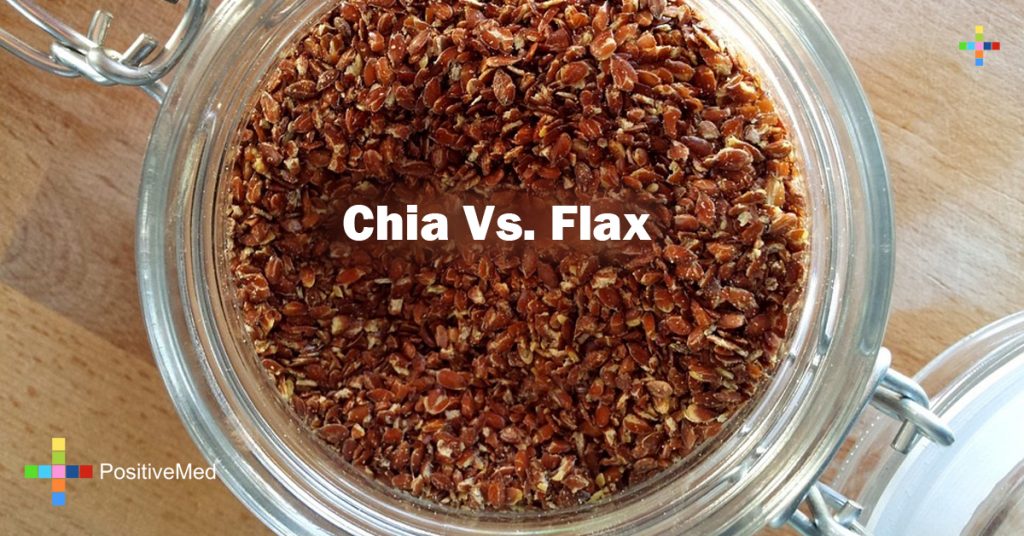
Chia Vs. Flax

They are both healthy for you, but have slightly different health benefits. I had no idea chia seeds were for anything but growing cute critters! I cannot believe how many good things are in both, I use flax seed on a regular basis, have not found chia seeds in the store yet where I live, planning to order some online and use it same as I do flax.

Visited (1395) times!

10 Tips for Better Sleep

So many of us these days are just tired, hectic work and family life, too many obligations, too much to get done in a day. One complaint I hear often is lack of a good night’s sleep, if you can sleep well it makes every aspect of life better. Read this poster, I hope at least one of them works for you!

Visited (18820) times!

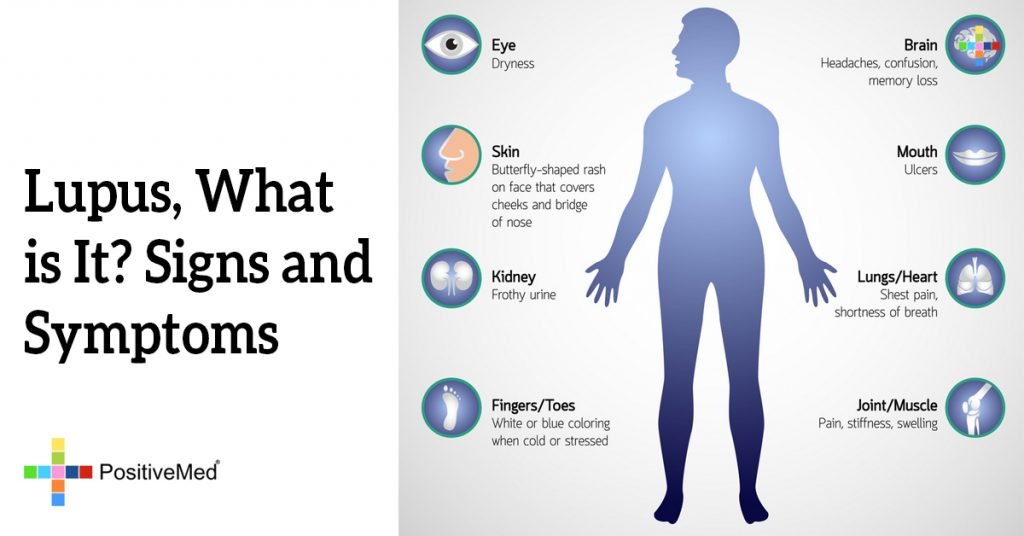
Lupus, What is It? Signs and Symptoms

Lupus is a chronic inflammatory disease that occurs when your body’s immune system attacks it’s own systems and organs. Lupus can affect joints, skin, blood cells, brain, heart, lungs, and kidneys. Lupus occurs most often in women aged 15-40 who are of African-American, Asian, and Hispanic descent. It’s a disease that can be hard to diagnose as the symptoms mimic many other common ailments. The distinctive “butterfly rash” on the face is a defining symptom, but not everyone gets it. The most true test is the presence of lupus antibodies in the blood.

Lupus can have sudden onset, or slow progression of symptoms, it can also completely disappear for a while and come back during a period called a “flare.” Some people are able to live completely normal lives except for the flare periods, others have symptoms that are always present, sometimes worse than others.

You should see your doctor if you have unexplained rash, fever, persistent aches or fatigue. Sunlight and cold can worsen symptoms, certain medications can also bring on symptoms.

Symptoms include, but are not limited to:

  • butterfly facial rash
  • disc-shaped lesions
  • low grade fever
  • fatigue
  • headaches
  • confusion
  • memory loss
  • joint pain
  • muscle aches
  • mouth sores
  • sensitivity to sun
  • sensitivity to cold
  • unexplained weight loss
  • swollen lymph nodes
  • anemia
  • nausea
  • Shortness of Breath
  • Chest pain
  • dry eyes
  • tingling, numbness, coldness of hands and feet
  • red/purple areas on palms and fingers

There will be another part to this series covering treatments, causes, and other information.

Source: http://www.mayoclinic.com/health/lupus/DS00115/DSECTION=complications

  Visited (5323) times!